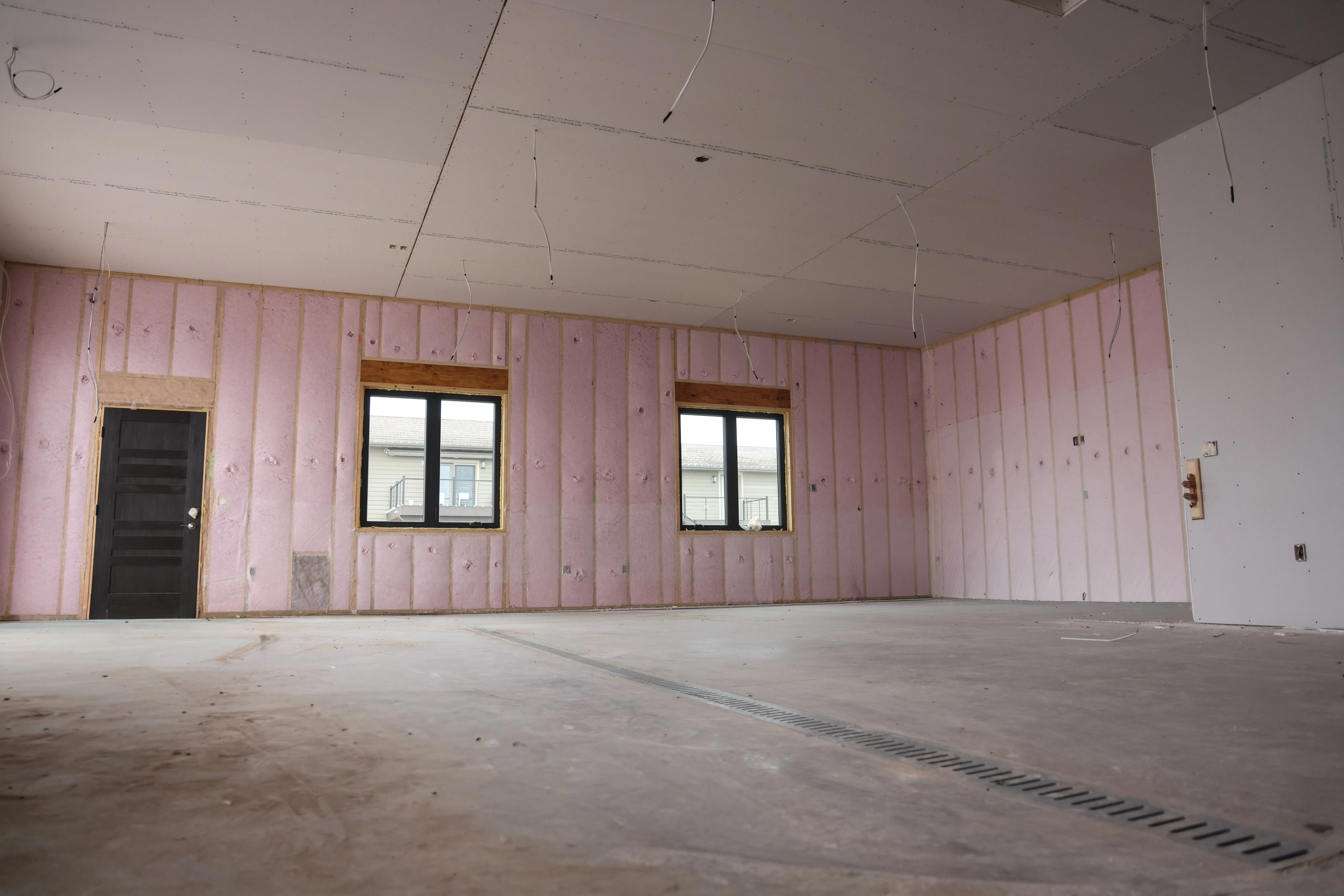
Closed Cell Foam Insulation in New York
Rigid higher density spray foam for interior and exterior applications where stronger air sealing is needed.
Closed Cell Spray Foam Insulation
Closed cell foam insulation is a rigid, more solid material used for interiors and exteriors, including continuous insulation applications. It is commonly chosen where denser foam and stronger air sealing are needed.
For upstate New York buildings, closed cell foam is the spray foam option most often associated with higher R value per inch, added rigidity and tighter air control.
Cold Climate Uses
Closed cell foam can fit projects where heat loss and air leakage are both problems: roof decks prone to ice dam conditions, rim joists, crawlspace walls, metal buildings, pole barns and commercial envelopes. It is often discussed for exterior applications, crawlspaces, basements and assemblies that need denser foam.
Because closed cell foam is dense and difficult to remove, placement matters. A trained installer plans thickness and coverage before spraying rather than filling every void by habit.
Moisture, Structure and Comfort
Closed cell foam is commonly chosen where denser foam and stronger air sealing are needed. In practical terms, closed cell can be useful where a tougher, less permeable foam is appropriate, but it is not a substitute for fixing roof leaks, bulk water entry or drainage problems.
A good insulation scope still starts with the building: where warm indoor air escapes, where cold surfaces condense and where ice, wind and moisture attack the envelope during a New York winter.
Built Around Cold Weather, Air Leakage and Existing Conditions
Dense foam
Closed-cell foam is considered when the project calls for a rigid material and higher R value per inch.
Rim joists
Small framing transitions can leak a lot of air, so coverage details matter as much as the material choice.
Moisture review
Closed-cell foam is not a repair for leaks or drainage problems; those conditions need attention first.
Related Insulation Services
Common Questions
When is closed-cell foam considered?
It is commonly considered when a denser foam, higher R value per inch and tighter air control are part of the project goal.
Does closed-cell foam fix roof leaks or drainage problems?
No. Bulk water, active leaks and drainage issues should be corrected before insulation is installed.
What affects closed-cell foam thickness?
The assembly, access, project goal, product specifications and local requirements all affect thickness and placement.
Want to Know What Your Project Needs?
Tell us about the property and we will help you determine the next step.
Free Estimates • Albany, Syracuse and Utica